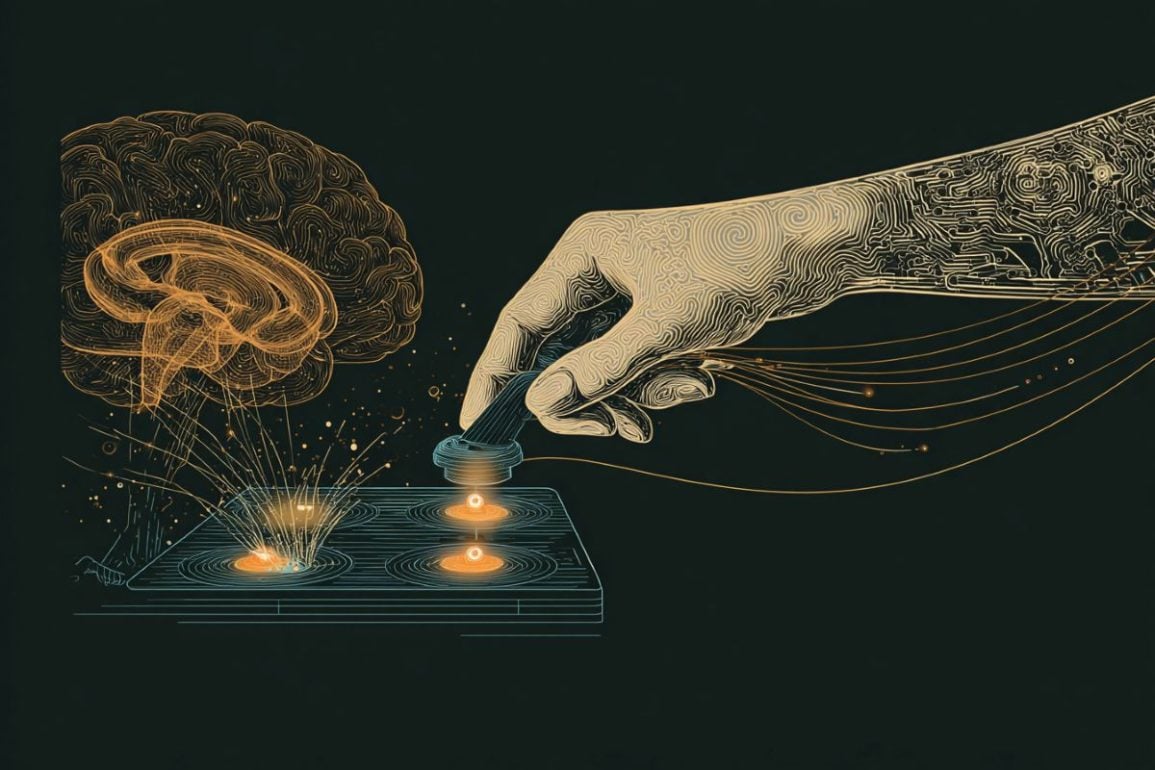
 Unexpected rewards can make people move faster in just milliseconds. The findings show that movement vigor mirrors dopamine-based reward prediction signals and could provide a simple way to track brain health in disorders such as Parkinsons disease and depression.
Dopamine Surprise Gives Human Movements a Measurable Speed Boost
Neuroscience News - 27 Feb 2026 20:14
Unexpected rewards can make people move faster in just milliseconds. The findings show that movement vigor mirrors dopamine-based reward prediction signals and could provide a simple way to track brain health in disorders such as Parkinsons disease and depression.
Share this Article
Recommended